
Description
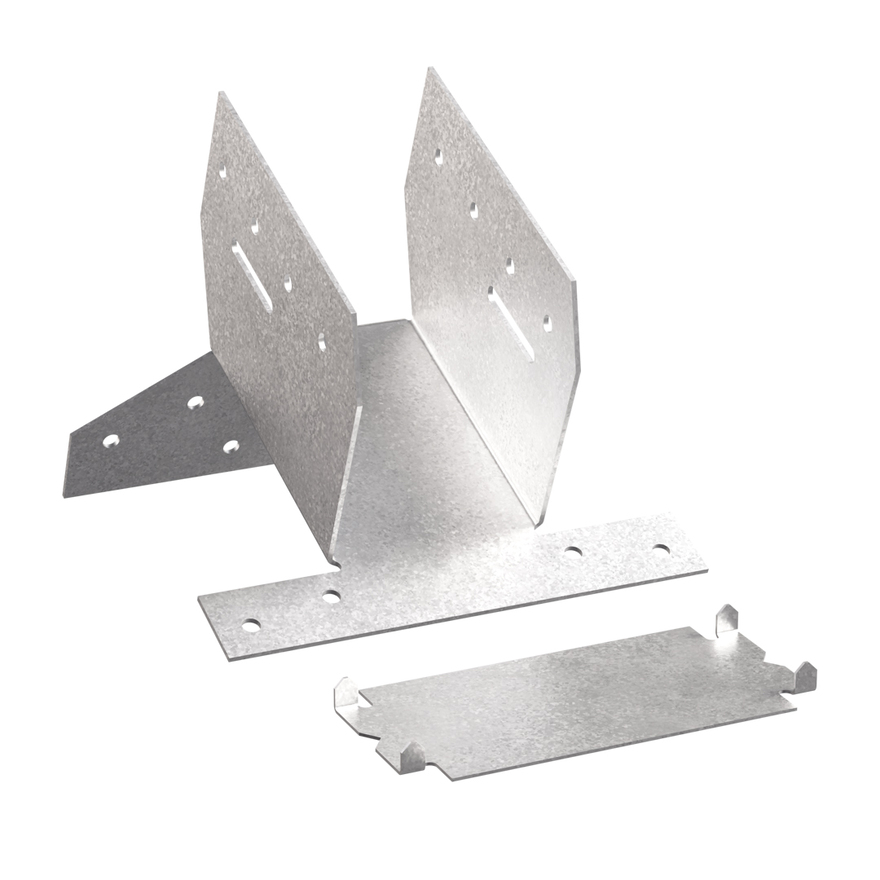
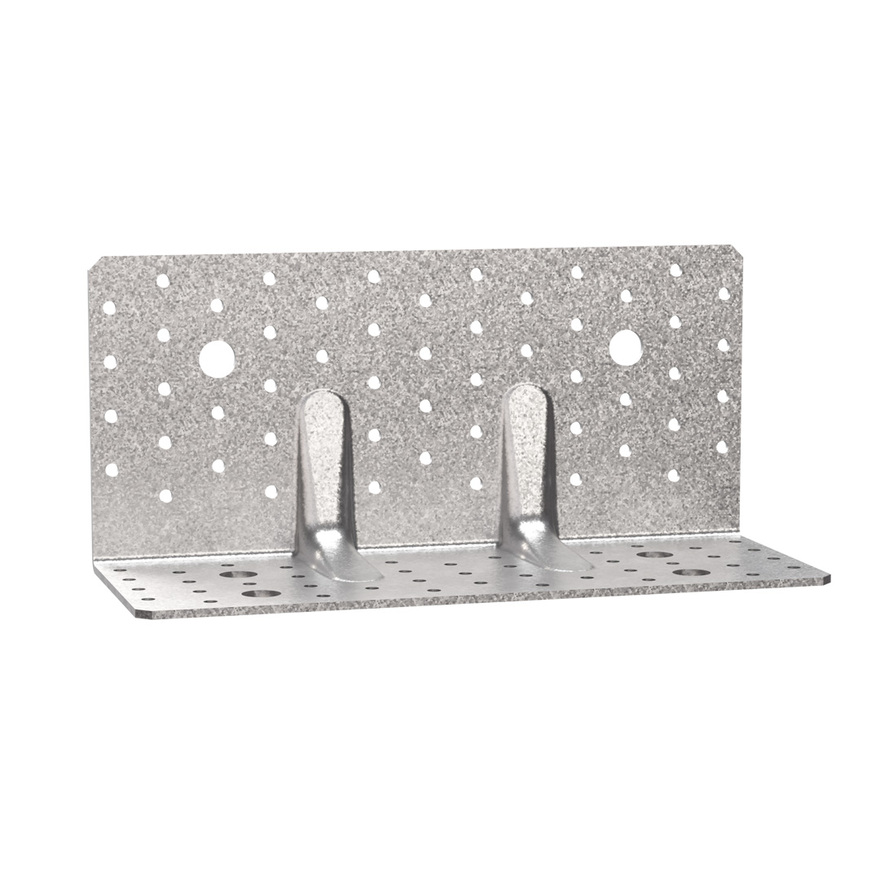
GS Glide Shoe
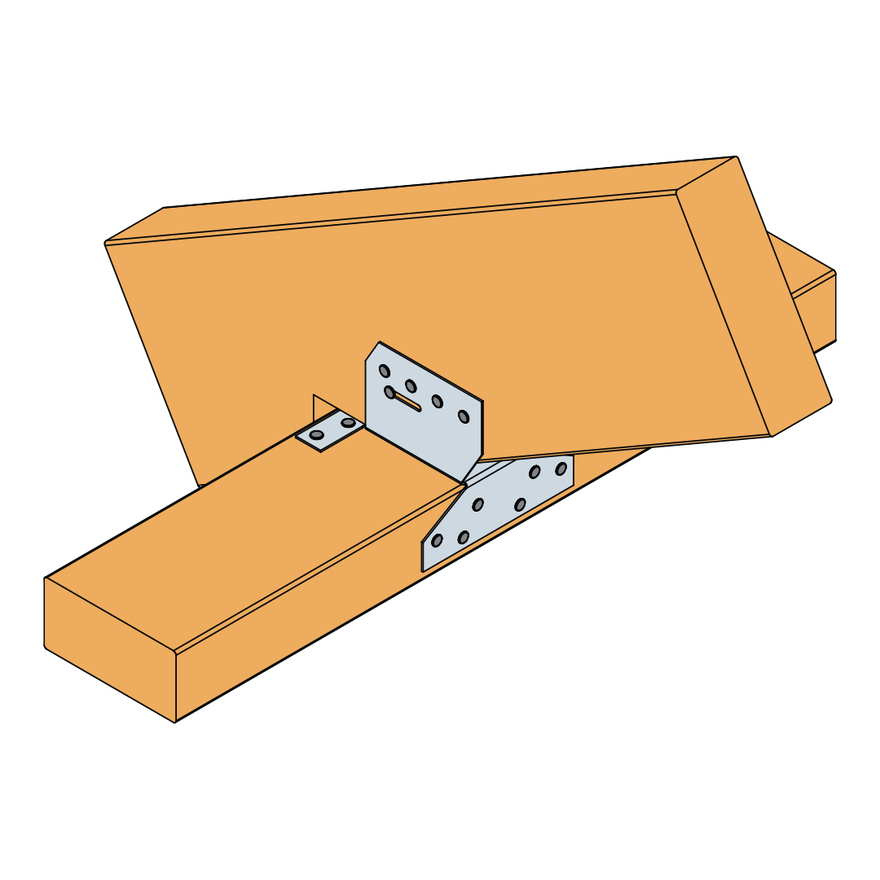
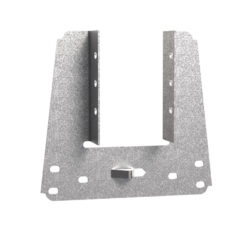
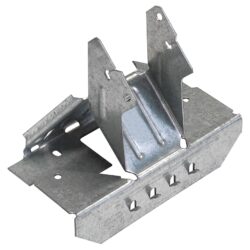
Glide shoes are designed to allow horizontal movement between raised-tie trusses and wall plates.
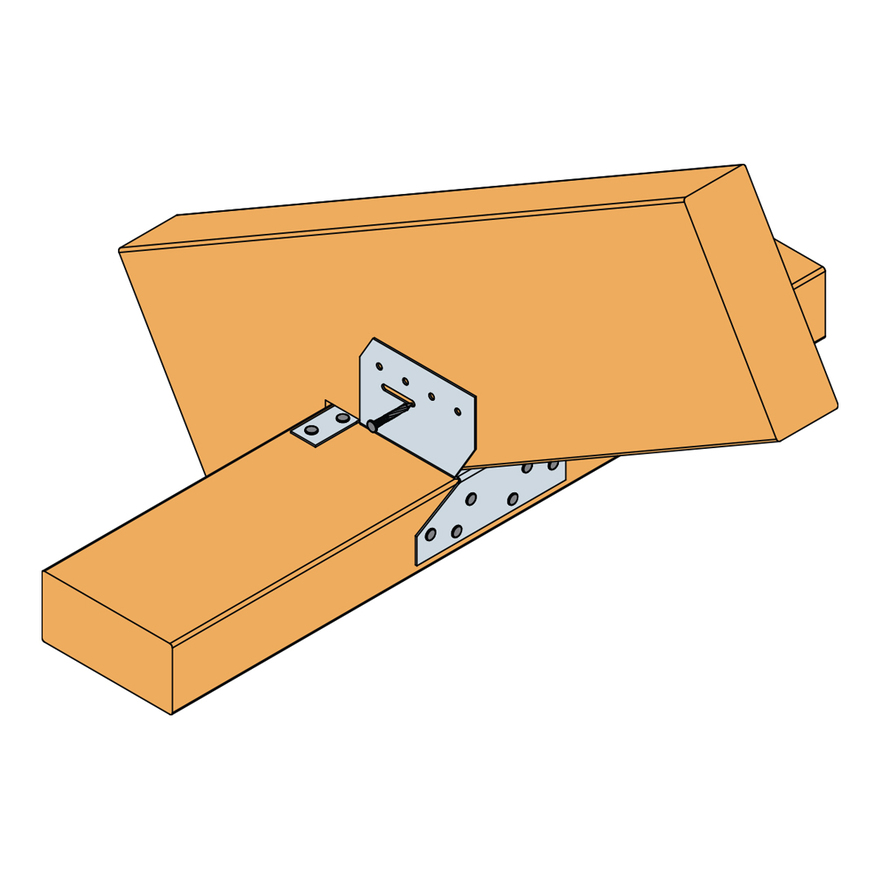
The GS allows up to 25mm of lateral movement of a raised-tie truss while the roof covering is installed, and resists uplift forces. It is typically used on one or both ends of the truss, as determined by the truss designer. Once the truss is fully loaded and has deflected, the side flange holes are nailed off.
Features
- Allows up to 25mm lateral movement during roof loading
- Stops horizontal thrust being transferred to the wall plate
- Resists uplift forces
- Slotted side holes for the temporary sliding fixing
- ETA approved (ETA-20/1071), CE marked
Specification
- Material: pre-galvanised mild steel, Z275
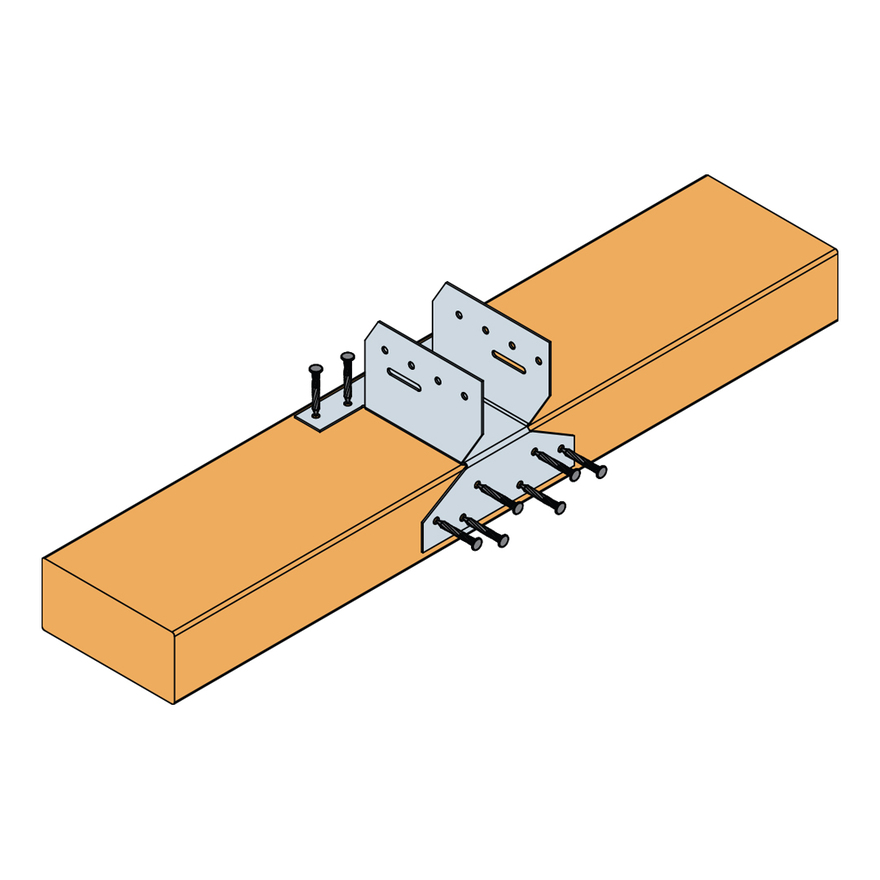
- Fixing to wall plate: 10 × 3.75 × 30mm square twist nails (6 face, 4 top)
- Characteristic capacities: R2,k 2.8kN; R3,k = R4,k 6.6kN
- Sold individually
Installation
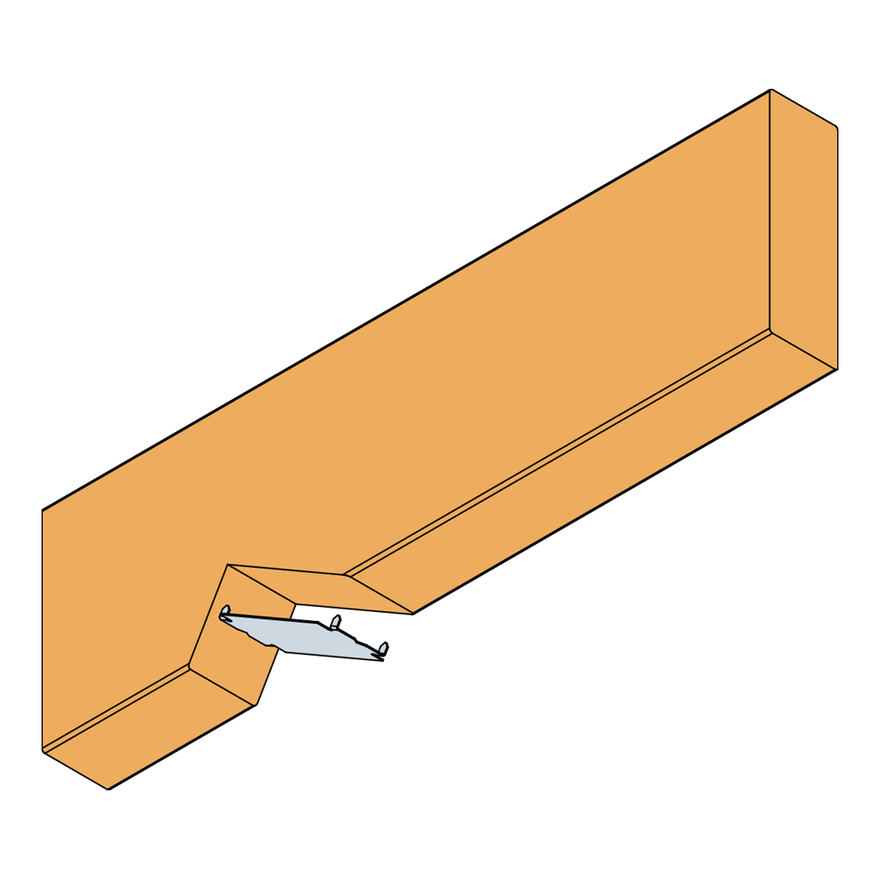
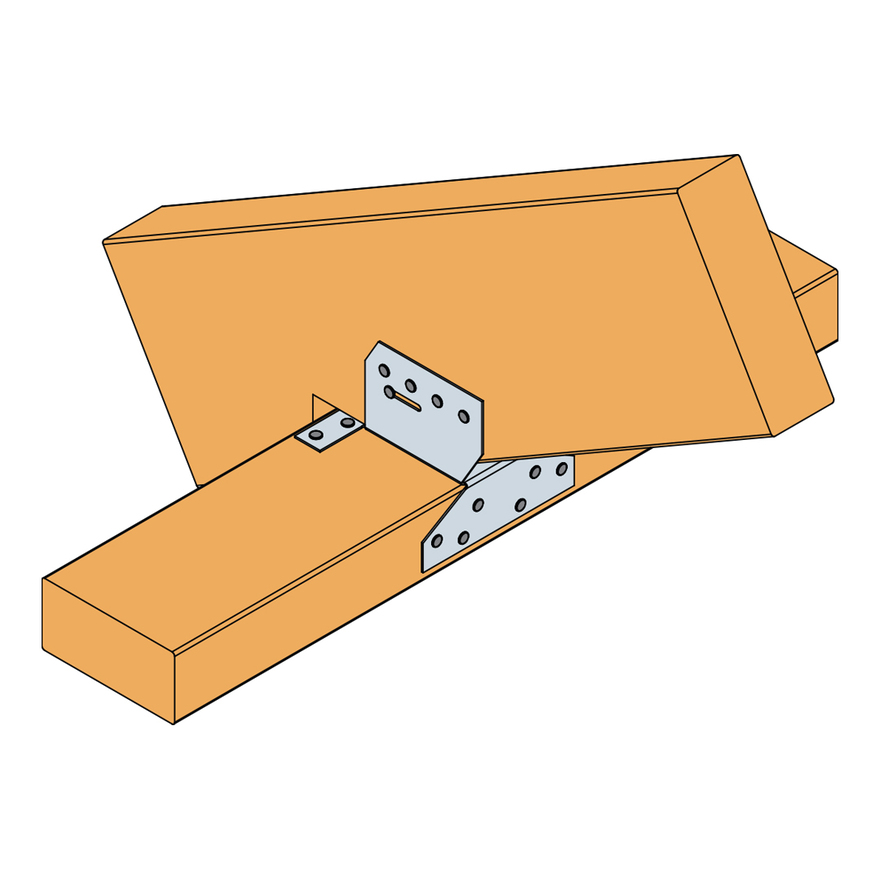
- Fit the bearing plate to the underside of the truss bearing area (seat of the birdsmouth cut).
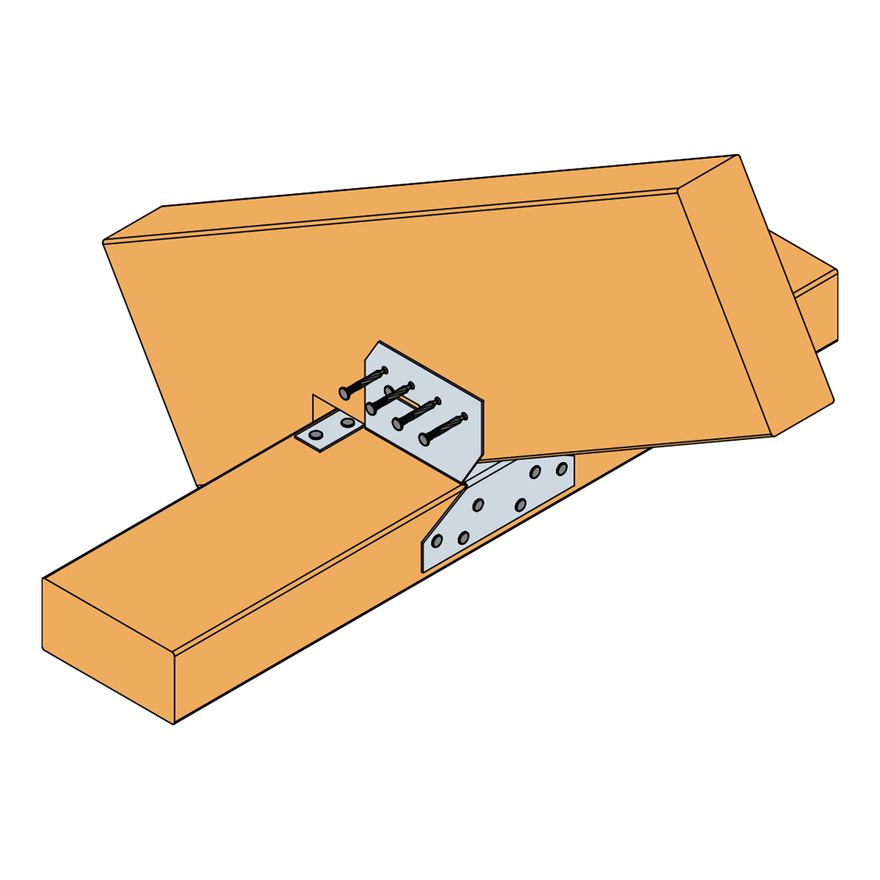
- Position the glide shoe on the wall plate with its face tight to the inside face of the plate, and nail to the face with 6 × 3.75 × 30mm galvanised or sherardised square twist nails.
- Nail to the top of the wall plate with 4 × 3.75 × 30mm square twist nails.
- Locate the truss into the glide shoe.
- Drive one 3.75 × 30mm square twist nail through each of the two slotted side holes, at the innermost point of the slot to allow maximum deflection.
- Once the roof is fully loaded (e.g. tiled) and full deflection has occurred, fill all side flange round holes with 3.75 × 30mm square twist nails.
Reviews
There are no reviews yet.